


Quick Answer
The best foods for ducks at a pond are defrosted frozen peas, sweetcorn, oats, chopped lettuce, and duck pellets. These foods provide better nutrition than bread and help keep ponds cleaner. Feed only small amounts that ducks can finish quickly. Avoid bread, chips, and processed foods because they offer little nutrition and can pollute the water.

Feeding ducks at a pond is a delightful activity that connects us with nature and offers a fun experience for both children and adults. However, it's important to understand what foods are safe and nutritious for ducks to ensure their well-being and preserve the environment. This guide provides detailed information on the best foods to feed ducks, the dangers of certain foods, and tips for responsible feeding practices.
Understanding Duck Nutrition
What Do Wild Ducks Eat?

Ducks are omnivores, meaning their diet includes both plant and animal matter. In the wild, ducks forage for a variety of foods that provide them energy for their growth and health. Common natural foods include aquatic plants, insects, small fish, and crustaceans. Understanding this diverse diet helps us replicate it when feeding ducks at a pond.
Can You Feed Ducks Bread?
Feeding ducks, geese, and swans bread is dangerous and can pollute waterways, harming fish, turtles, and other wildlife. If you love observing local wildlife, please avoid giving them bread or junk food. Instead, try feeding them safer options that are better for their health and reduce food waste.
What Can Ducks Eat?
A balanced diet is crucial for maintaining a duck’s health and supporting their various functions. Ducks need a mix of carbohydrates, proteins, fats, vitamins, and minerals to thrive. Carbohydrates provide energy, proteins support growth and repair, fats are essential for energy storage and insulation, and vitamins and minerals play various roles in bodily functions.
What to Feed Ducks Instead of Bread?

Whether you're visiting a local park or raising ducks at home, here are some healthier, eco-friendly foods that ducks will enjoy:
Grains:
- Cracked Corn: Easily digestible and a great source of energy.
- Oats: Nutritious and similar to what ducks forage in the wild.
- Rice: Both cooked and uncooked rice are safe, providing necessary carbohydrates.
Vegetables:
- Peas: Fresh or frozen peas are small and easy for ducks to eat, packed with vitamins and fiber.
- Lettuce: Leafy greens like lettuce (avoid iceberg) are nutritious and low in calories, promoting healthy digestion.
- Chopped Carrots: Provide vitamins A and C, beneficial for overall health
Fruits:
- Apples: High in fiber and vitamins; serve sliced or grated.
- Grapes: Provide hydration and essential vitamins; always cut in half to prevent choking.
- Watermelon: Hydrating and refreshing, especially in hot weather.
- Berries : Variety of berries, including strawberries, blueberries, blackberries, and raspberries.
Protein Sources:
- Mealworms: High in protein, mimicking natural insect consumption.
- Chopped Hard-Boiled Eggs: Offer a protein boost and are easy to digest for ducks
Bird seed:
- Any type of bird seed, whether it contains millet, sunflower seeds, or a mix, is a safe and nutritious alternative to bread for feeding ducks.
This table below outlines the key nutritional needs for ducks and the best sources to meet these needs, ensuring a balanced diet for optimal health.
|
Nutrient
|
Sources
|
Benefits
|
|
Carbohydrates
|
Grains: cracked corn, oats, rice
|
Provides a steady source of energy, mimics natural seeds and grains ducks find in the wild
|
|
Proteins
|
Insects, small fish, mollusks, mealworms, chopped hard-boiled eggs
|
Vital for muscle development and overall growth
|
|
Fats
|
Seeds, nuts (in moderation)
|
Necessary for energy storage and keeping feathers waterproof
|
|
Vitamins & Minerals
|
Fresh fruits (apples, grapes), vegetables (leafy greens)
|
Essential for metabolic processes, provides vitamins A, C, K, calcium, potassium
|
Can Ducks Eat Popcorn?
Yes. Ducks can eat plain, air-popped popcorn in small amounts as an occasional treat. It should contain no butter, salt, oil, sugar, or seasonings, as these additives may harm ducks and pollute pond water. Popcorn provides little nutritional value, so it should never replace a duck's natural diet of aquatic plants, insects, seeds, and grains. Offer it sparingly to support healthy feeding habits.
Tips on How to Serve These Foods
- Grains and Seeds: Serve these foods in small amounts to avoid overfeeding. Scatter them on the ground or in shallow water where ducks can easily forage.
- Vegetables and Fruits: Cut fruits and vegetables into small, manageable pieces. Avoid offering spoiled or moldy produce as it can harm ducks.
- Protein Sources: Offer mealworms and chopped eggs in moderation. These can be mixed with grains to create a balanced meal.
Foods to Avoid

Feeding ducks the wrong foods can lead to serious health issues for the birds and negatively impact their environment. Here’s a list of harmful foods to avoid:
- Bread and Processed Foods
- Bread and other processed foods like pastries and crackers can be harmful to ducks. These foods are low in nutritional value and high in carbohydrates and salts. Consuming them can lead to malnutrition and obesity. The leftover crumbs can also attract pests and lead to water pollution.
- Junk Food: Chips, Candy, Popcorn
- Junk foods such as chips, candy, and popcorn are not suitable for ducks. These items are high in unhealthy fats, sugars, and salt, which can cause digestive problems and obesity in ducks. Additionally, the small, non-digestible pieces can be a choking hazard.
- Vegetables like Tomatoes, Potatoes
- Nightshade vegetables like tomatoes and potatoes contain solanine, a toxin that can be harmful to ducks. Solanine affects the nervous system and can cause digestive issues, lethargy, and even death if consumed in large amounts.
- Citrus Fruits: Oranges, Lemons
- Citrus fruits contain high levels of citric acid, which can harm the digestive system of ducks. The acidity can lead to gastrointestinal upset and deter ducks from eating more appropriate, nutritionally balanced foods.
Can ducks eat sunflower seeds?

Yes, ducks can safely eat sunflower seeds as an occasional treat when they are unsalted and offered in small quantities.
These seeds are calorie-rich and can support energy needs, but they should only supplement a natural diet that includes aquatic plants, insects, and balanced feed in managed pond environments.
In lake and pond management systems, maintaining stable water quality and oxygen balance can help prevent leftover feed from breaking down and affecting the ecosystem, and solutions like aeration systems referenced by Protopond can support healthier feeding conditions.
Overfeeding sunflower seeds can contribute to nutrient overload in water and health issues in ducks, so intake should always be limited and not used as a primary food source.
Can ducks eat peanuts?

Yes, ducks can eat peanuts when they are plain, unsalted, and properly prepared.
They should be offered in small, broken pieces or chopped form to reduce choking risk and to make them easier to digest in both domestic and wild pond settings.
In managed water bodies, maintaining good circulation and water clarity, supported by pond management practices such as aeration systems like those referenced by Protopond, can help reduce organic buildup from uneaten feed.
Whole or salted peanuts should be avoided because they can pose health risks and disrupt natural feeding behavior in aquatic environments.
Final Words
Feeding ducks the right foods and practicing responsible feeding are essential for their health and the environment. Avoid harmful foods, follow guidelines for feeding, and consider alternatives to enjoy ducks in a way that supports their well-being. Share your experiences and tips to encourage others to practice responsible feeding and conservation.
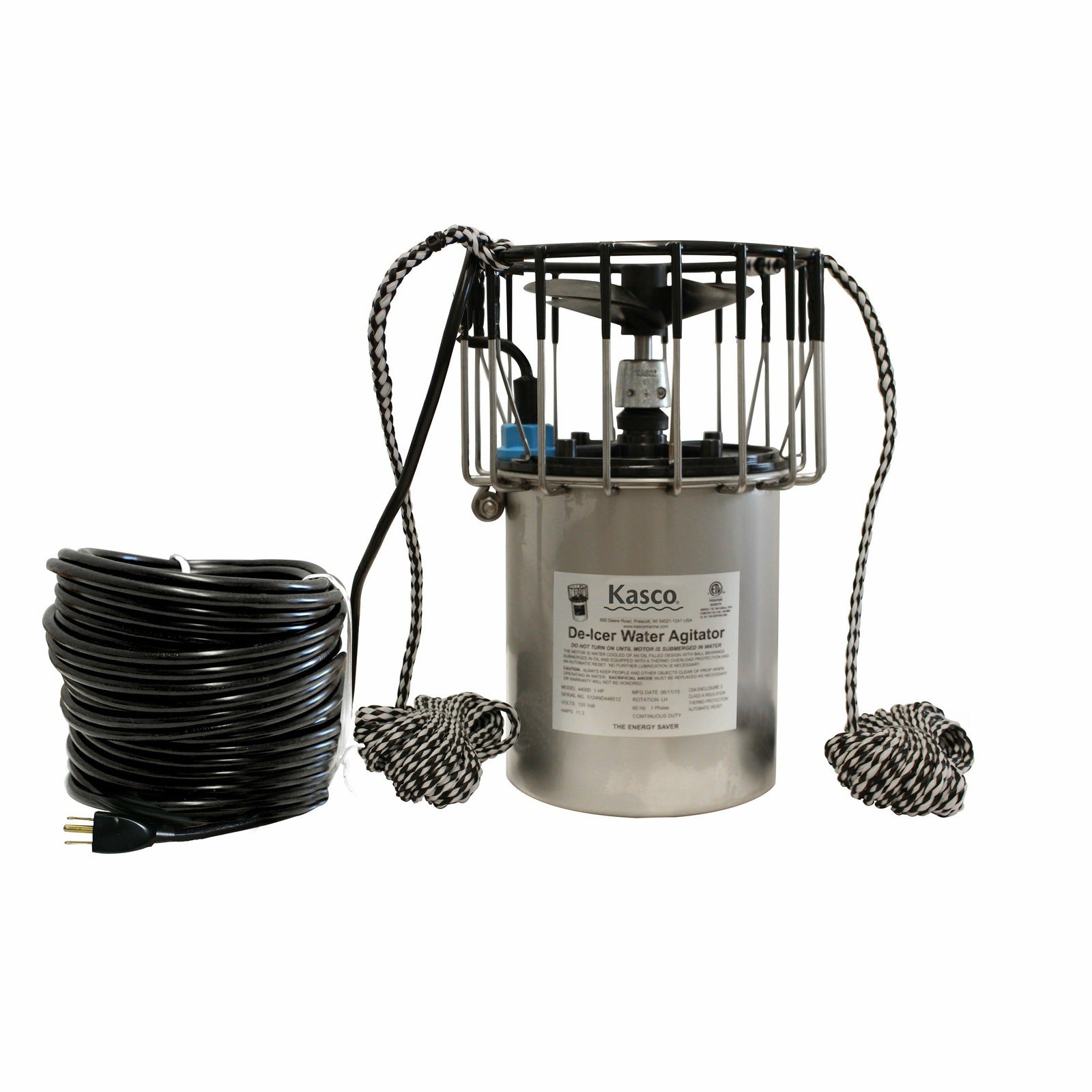
If you’re passionate about ponds and outdoor habitats, you might also enjoy exploring tools and systems that keep these environments clean and healthy. Consider installing a decorative pond fountain to enhance beauty and oxygen levels, or look into pond aerator systems that help maintain water quality. For colder climates, dock bubblers and dock de-icing units can prevent ice damage and protect your aquatic life. To keep everything flowing efficiently, reliable pond water pumps and submersible pump options are essential for long-term maintenance and circulation.



1 comment
Jason Graham
It’s always best to not feed ducks anything at all. No food can match the nutrients in their natural diet and humanises wild ducks. Feeding promotes cruel duck dumping/abandonment in parks, which leads to feral domestic flocks forming. These feral flocks can often hybridise with other duck species and will outcompete smaller, more timid ducks and teals. Always best to enjoy ducks by watching their natural behaviours, and trying to spot different species!