Algae growth is one of the most common problems pond owners face. A small amount of algae is natural and even beneficial for a healthy pond ecosystem, but excessive algae can quickly turn clean water green, reduce oxygen levels, clog filtration systems, and stress fish.
This is why many pond owners turn to algaecides for fast algae control. Still, one important question comes up before treatment begins: is pond algaecide safe for fish?
The short answer is yes, most pond algaecides are safe for fish when they are used correctly. Problems usually happen when products are overapplied, oxygen levels drop too quickly, or the wrong treatment is used for the pond type. Understanding how algaecides work and how fish react during algae treatment is the key to keeping your pond healthy.
This guide explains how pond algaecides affect fish, what risks to avoid, how to safely apply algae treatments, and what pond owners can do to maintain clear water without harming aquatic life.
What Is Pond Algaecide?

Pond algaecide is a treatment designed to control or eliminate algae growth in ponds, lakes, decorative water gardens, and koi ponds. These products target different forms of algae, including:
-
String algae
-
Planktonic algae
-
Green water algae
-
Filamentous algae
-
Surface scum algae
Some algaecides work by disrupting algae cell walls, while others interfere with photosynthesis and algae reproduction. The goal is to reduce algae growth without damaging fish, plants, or beneficial bacteria when used according to instructions.
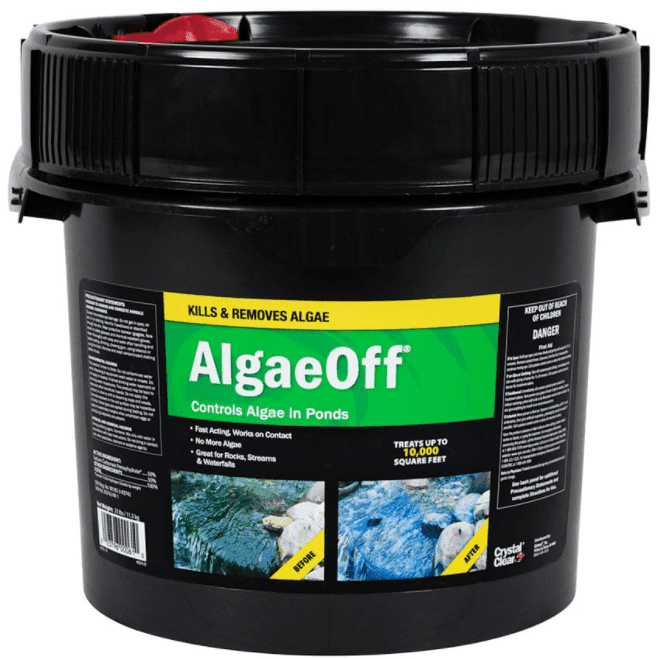
Algaecides are commonly available in liquid, granular, or tablet form and may contain ingredients such as hydrogen peroxide compounds, chelated copper, or natural oxidizers.
Are Pond Algaecides Safe for Fish?

In most situations, fish-safe pond algaecides are safe when applied properly. Products labeled for ponds with fish are specifically tested to ensure they can be used in aquatic environments without directly harming fish populations.
However, the real danger often comes from the side effects of algae treatment rather than the algaecide itself.
When large amounts of algae suddenly die, decomposition begins rapidly. This process consumes oxygen in the water. If oxygen levels fall too low, fish may become stressed or suffocate.
Fish kills after algae treatment are usually linked to:
-
Treating too much algae at one time
-
Poor pond aeration
-
High water temperatures
-
Excess organic waste in the pond
-
Overdosing the algaecide
This is why proper pond management matters just as much as the treatment product.
How Algae Die-Off Affects Fish
Many pond owners focus only on removing algae, but few realize how strongly algae influence oxygen levels.
During daylight hours, algae produce oxygen through photosynthesis. At night, algae consume oxygen like other living organisms. When algae suddenly die in large quantities, bacteria begin breaking down the dead organic material. This decomposition process can rapidly reduce dissolved oxygen levels in the pond.
Low oxygen can cause fish to:
-
Swim near the surface gasping for air
-
Become sluggish or inactive
-
Gather near waterfalls or aerators
-
Experience increased stress and disease risk
In severe cases, oxygen depletion can lead to fish mortality overnight.
This is why experienced pond managers rarely treat an entire algae bloom at once.
How to Safely Use Pond Algaecide Around Fish
Follow Label Instructions Carefully
Every pond algaecide has specific dosage guidelines based on water volume, pond depth, and algae type. Applying more product than recommended will not solve the algae problem faster. Instead, it increases the risk of oxygen crashes and fish stress.
Always calculate pond volume as accurately as possible before treatment.
If your pond has heavy algae growth, treat only part of the pond at a time. Many experts recommend treating no more than 25 percent to 50 percent of the pond surface during a single application.
This gradual approach allows oxygen levels to remain more stable while algae decompose.
Increase Pond Aeration Before Treatment
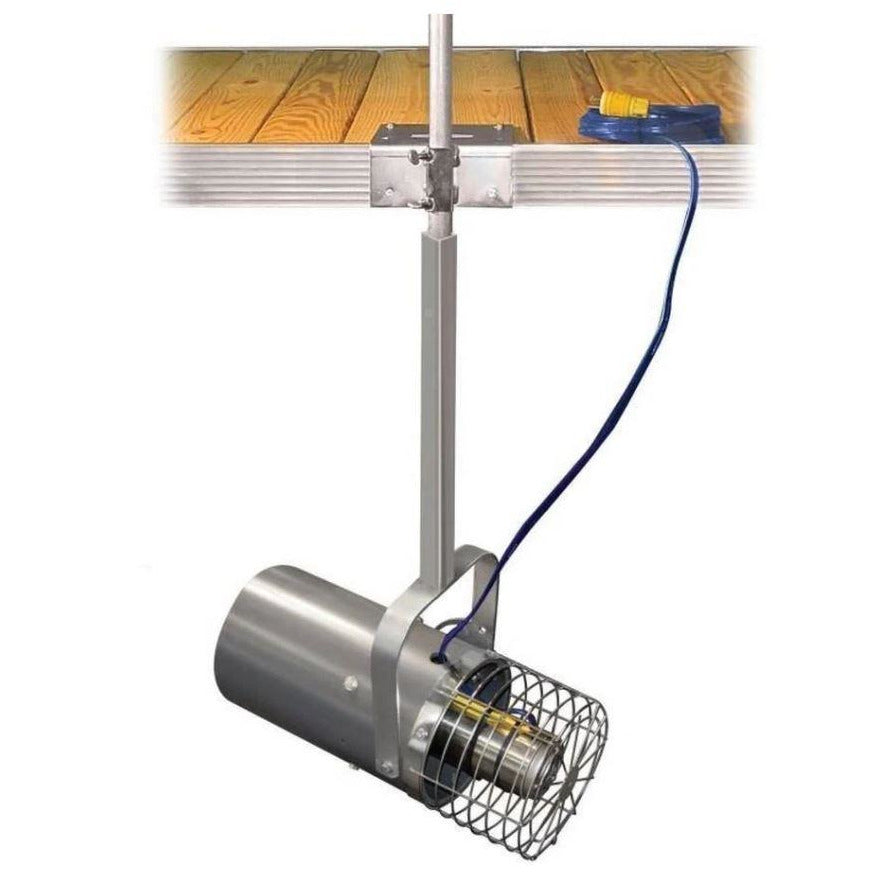
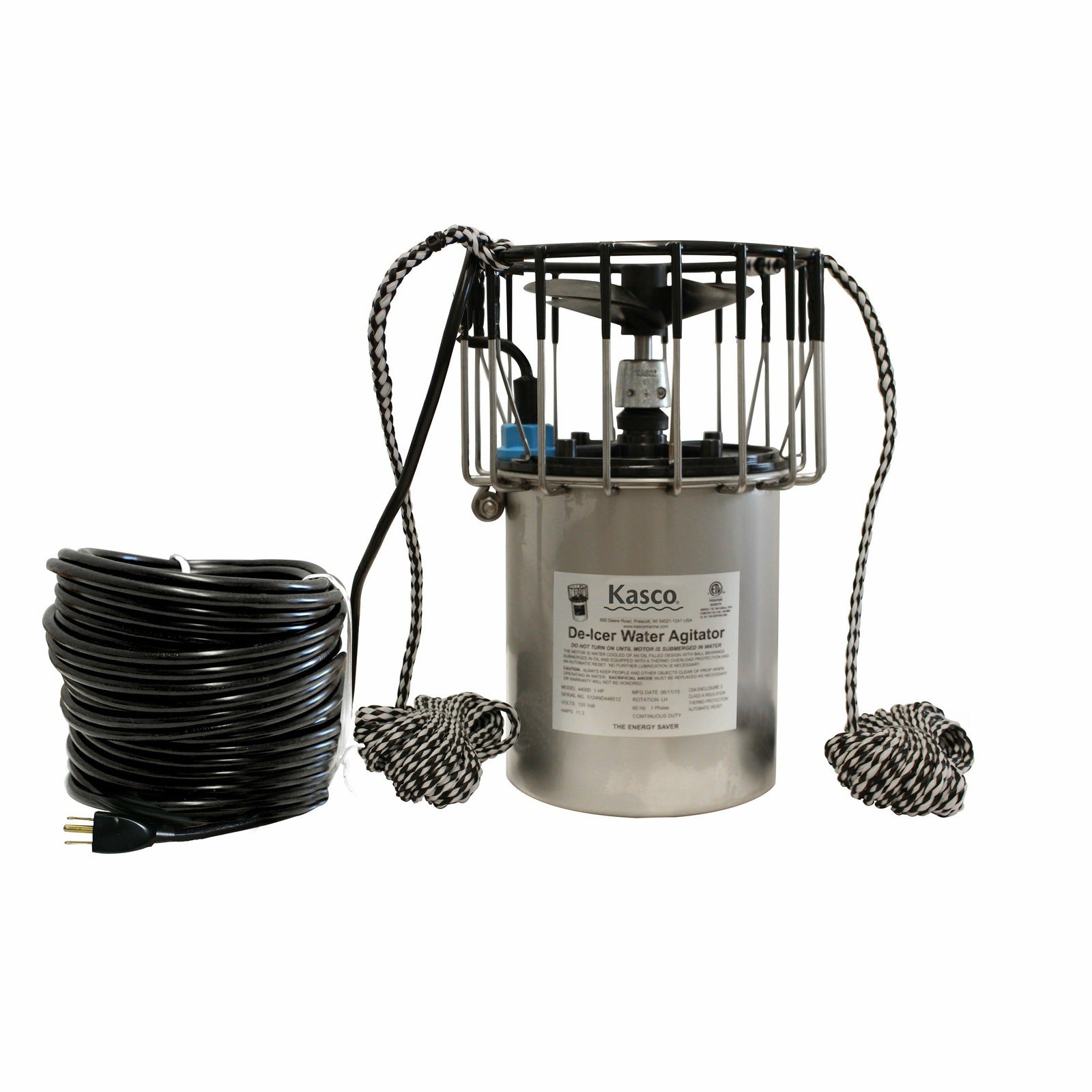
Aeration is one of the most important safety measures when using algaecides.
Proper pond aeration helps by:
-
Increasing dissolved oxygen levels
-
Improving water circulation
-
Reducing stagnant areas
-
Supporting beneficial bacteria
-
Helping fish recover from stress
Before applying any algae treatment, ensure your pond aerator, waterfall, fountain, or diffuser system is running properly.
For ponds with severe algae blooms, continuous aeration during and after treatment is strongly recommended.
Remove Excess Organic Debris
Leaves, sludge, fish waste, and decaying plants increase nutrient levels in ponds. These nutrients fuel algae growth and increase oxygen demand during decomposition.
Before using algaecide:
-
Skim floating debris
-
Remove dead plants
-
Vacuum pond sludge if possible
-
Clean filters and skimmers
Reducing organic buildup helps improve water quality and lowers the risk of oxygen depletion after treatment.
Choose the Right Algaecide for Your Pond
Not all algaecides are designed for every pond environment.
Decorative koi ponds, water gardens, and backyard ponds often require gentler treatments than large farm ponds or lakes.
Some products are formulated specifically for:
-
Fish ponds
-
Koi ponds
-
Wildlife ponds
-
Irrigation ponds
-
Recreational lakes
Using the wrong treatment concentration can stress sensitive fish species or damage aquatic plants.
Always verify that the product label specifically states it is safe for ponds containing fish.
Are Copper-Based Algaecides Dangerous for Fish?
Copper-based algaecides are widely used because they are effective against many algae types. However, copper requires extra caution.
Excess copper can become toxic in certain conditions, especially in ponds with:
-
Low alkalinity
-
Soft water
-
Small water volume
-
Sensitive fish species
Copper may also accumulate in pond sediment over time. High copper levels can impact beneficial microorganisms and aquatic invertebrates.
Chelated copper formulations are generally considered safer than copper sulfate because they release copper more gradually and remain more stable in water.
Still, pond owners should avoid repeated copper applications unless water chemistry is properly monitored.
What Is the Safest Algaecide for Fish Ponds?
The safest algae treatment depends on the pond type, algae severity, water temperature, and fish population.
Many pond owners prefer oxygen-based algae treatments because they break down into water and oxygen after use. These treatments are often considered safer for koi ponds and ornamental fish systems when used properly.
Biological algae control methods are also becoming more popular. These include:
-
Pond enzymes
-
Barley straw extracts
-
Natural nutrient reduction methods
While these approaches may work more slowly than chemical algaecides, they can help maintain long-term pond balance with less risk to fish.
Signs an Algaecide Treatment Is Stressing Fish
Fish behavior can reveal problems quickly after algae treatment.
Watch for these warning signs:
-
Fish gasping at the surface
-
Rapid gill movement
-
Fish staying near aerators
-
Sudden inactivity
-
Loss of appetite
-
Erratic swimming
If these symptoms appear:
-
Increase aeration immediately
-
Stop additional treatments
-
Remove dead algae if possible
-
Perform a partial water change if necessary
-
Test dissolved oxygen and ammonia levels
Quick action can often prevent serious losses.
How to Prevent Algae Without Heavy Chemical Use
Long-term algae control starts with nutrient management.
Algae thrive when ponds contain excess phosphorus, fish waste, decomposing debris, and stagnant water. Preventing these conditions can reduce the need for repeated chemical treatments.
Improve Water Circulation
Moving water discourages stagnant conditions where algae flourish. Aerators, fountains, and waterfalls help improve circulation throughout the pond.
Reduce Nutrient Buildup
Avoid overfeeding fish and remove organic waste regularly. Excess nutrients are one of the main causes of recurring algae blooms.
Add Beneficial Bacteria
Beneficial bacteria help break down sludge and compete with algae for nutrients. Consistent bacterial treatments can improve water clarity over time.
Maintain Proper Pond Depth
Shallow water heats quickly and encourages algae growth. Deeper ponds tend to remain more stable during hot weather.
Use Aquatic Plants
Aquatic plants naturally compete with algae for nutrients and sunlight. Water lilies and floating plants also provide shade that limits algae growth.
Common Mistakes Pond Owners Make With Algaecides
Many algae treatment problems happen because of avoidable mistakes.
The most common issues include:
-
Treating the entire pond at once
-
Ignoring pond aeration
-
Applying too much product
-
Treating during extreme heat
-
Using lake treatments in small ponds
-
Failing to remove dead algae afterward
Proper planning and gradual treatment methods usually produce better results than aggressive algae removal.
Can Fish Recover After Algae Treatment Stress?
Yes, fish often recover if oxygen levels are restored quickly and water quality stabilizes.
Healthy fish are surprisingly resilient when stress is addressed early. Increasing aeration, reducing additional chemical use, and improving water quality can help fish return to normal behavior within a short period.
However, repeated algae blooms and poor pond management create long-term stress that weakens fish immune systems over time.
This is why prevention and balanced pond care matter more than relying only on algae treatments.
Final Thoughts
Pond algaecides can be safe for fish when used responsibly, but successful algae control requires more than simply adding chemicals to the water.
The biggest risk usually comes from oxygen depletion after algae die-off, not the algaecide itself. Pond owners who treat algae gradually, maintain strong aeration, manage nutrients, and choose fish-safe products can control algae effectively while protecting aquatic life.
A healthy pond is built on balance. Managing algae should always focus on improving the entire pond ecosystem rather than chasing quick short-term results.
When pond owners combine proper filtration, aeration, biological support, and responsible algae treatment, clear water and healthy fish can coexist successfully.