Lily pads for ponds are floating leaves from water lilies that provide shade, reduce sunlight reaching the water, limit algae growth, shelter fish, and improve water quality. They also create a cooler, healthier environment while adding attractive blooms throughout the growing season.
Choose the right variety based on pond size, depth, and sunlight. Plant them in aquatic baskets with nutrient-rich soil and remove dead leaves regularly for healthy long-term growth.

Water lilies are popular pond plants with big, round leaves (lily pads) that float on the water. These leaves grow from long stems connected to root networks under the water. These flowers come in white, yellow, and pink and bloom all summer.
Water lilies are good for ponds because they provide shade for fish, help keep the water clean, and are easy to share by transplanting a piece of the root. Let's explore the world of lily pads and get to know their benefits and potential drawbacks.
Lily Pads Management Methods Comparison
| Method | Best For | How It Works | Pros | Cons |
| Manual Removal (Rake/Hand Pulling) | Small infestations | Physically pull lily pads and roots from pond | Eco-friendly, low cost, immediate results |
Labor-intensive, may not remove all roots
|
| Cutting / Trimming | Moderate growth | Regularly cut floating leaves to slow spread | Simple, reduces surface coverage |
Does not fully eliminate plants
|
| Mechanical Control (Regular Harvesting) | Large infestations | Repeated removal of pads over time | Reduces long-term growth pressure |
Requires consistency and effort
|
| Aquatic Herbicides | Severe overgrowth | Chemical treatment applied to leaves | Effective for large-scale control |
Must follow regulations, environmental caution needed
|
| Natural Control (Fish like Koi) | Long-term maintenance | Herbivorous fish feed on plant growth | Sustainable, low maintenance |
Not always fully effective alone
|
| Artificial Lily Pads | Decorative ponds | Non-living floating pads for visual appeal | Zero maintenance, no overgrowth |
No ecological benefits
|
How to Plant Water Lilies?

Planting water lilies can enhance the beauty of your pond and create a serene aquatic environment. Here’s a step-by-step guide to help you plant water lilies effectively:
1-Choose the Right Variety
Select a variety that suits your climate and pond size. Hardy water lilies are ideal for temperate regions, while tropical water lilies thrive in warmer climates.
2-Select a Planting Container
Use a wide, shallow container to give the water lily roots room to spread. A container around 10-14 inches in diameter and 6-8 inches deep is usually sufficient.
3-Prepare the Soil
Fill the container with heavy garden soil or clay. Avoid using potting soil, as it can float and cloud the water. Add a layer of aquatic fertilizer tablets to the soil to provide nutrients.
4-Plant the Rhizome
Place the water lily rhizome at a 45-degree angle in the soil, with the growing tip facing upward and slightly above the soil surface. Cover the rhizome with soil, leaving the growing tip exposed.
5-Add Gravel
Place a layer of gravel or small stones on top of the soil to prevent it from washing away and to deter fish from digging.
6-Submerge the Container
Slowly lower the container into the pond, allowing the water to gradually fill the container to avoid disturbing the soil. Position the container so that the top of the soil is 6-18 inches below the water surface, depending on the variety.
7-Maintain the Water Lily
Ensure the water lily receives at least 4-6 hours of direct sunlight each day. Regularly check for pests and remove dead leaves to maintain plant health. Fertilize every 4-6 weeks during the growing season.
Difference Between Hardy Water Lilies and Tropical Water Lilies?
Water lilies are a popular choice for ponds and water gardens, and they come in two main types: hardy water lilies and tropical water lilies. Understanding the differences between them can help you choose the best variety for your needs.
|
Feature |
Hardy Water Lilies
|
Tropical Water Lilies
|
|
Climate Suitability
|
Best for temperate and cooler climates
|
Best for warm and tropical climates
|
|
Bloom Time |
Late spring to early fall
|
Summer to early fall
|
|
Flower Colors |
White, pink, red, yellow, peach
|
Blue, purple, white, pink, red, yellow
|
|
Leaf Shape
|
Rounded with smooth edges |
Often serrated or jagged edges |
|
Growth Habit
|
Day-blooming varieties |
Both day-blooming and night-blooming varieties |
|
Winter Hardiness |
Can survive winter in dormant state |
Must be brought indoors or replaced annually |
|
Size |
Generally smaller blooms and leaves |
Larger blooms and leaves |
|
Fragrance |
Mild fragrance |
Often more fragrant |
Pros and Cons of water lillies Pads in your Pond
Are Lilies Good for Your Pond?
Absolutely! Beyond their stunning beauty, water lilies offer numerous ecological benefits that significantly enhance the health of your pond ecosystem. Here’s why incorporating water lilies into your pond is a smart choice:
1-Water Quality Maintenance:
- Lily pads oxygenate the water by releasing oxygen through their leaves and roots.
- This oxygenation is crucial for supporting aquatic life and ensuring the health and well-being of fish and other inhabitants.
2-Natural Filtration:
- Lily pads act as natural filters, absorbing excess nutrients and contaminants from the water.
- Their filtration capabilities help prevent algal blooms and maintain water clarity, promoting a balanced ecosystem.
3-Habitat and Shelter:
- Lilies provide habitat and shelter for various aquatic organisms.
- From tiny insects to amphibians and fish, many species rely on shelter for breeding, feeding, and protection from predators.
|
Feature |
Benefit |
|
Water Quality |
Oxygenation: Release Oxygen through leaves and Roots, supporting aquatic life |
|
|
Natural Filtration: Absorb excess nutrients and contaminants, preventing algal blooms and maintaining water clarity. |
|
Habitat |
Shelter: Provide habitat and shelter for fish, amphibians, and insects for breeding, feeding, and protection, |
The Cons of Lily Pads
While lily pads can enhance the beauty and ecological balance of your pond, they also come with several potential drawbacks. Understanding these cons will help you make an informed decision about whether lily pads are right for your water garden.
1- Potential Overgrowth
One of the primary concerns with lily pads is their tendency to overgrow. If not properly managed, lily pads can quickly cover a significant portion of your pond’s surface. This overgrowth can lead to several issues:
- Surface Coverage: Excessive lily pad growth can block sunlight from reaching other aquatic plants, inhibiting their growth and potentially disrupting the pond’s ecosystem.
- Competition: Lily pads can compete with other plants for nutrients and space, which can result in less biodiversity in your pond.

2-Maintenance Requirements
Maintaining lily pads requires regular effort and attention. Without consistent management, lily pads can become overwhelming and detract from your pond’s appearance and health.
- Pruning: Regular pruning is necessary to keep lily pads from overtaking the pond. This can be time-consuming and labor-intensive.
- Monitoring: You'll need to monitor the growth of lily pads closely to ensure they do not spread uncontrollably.
3-Can Attract Pests
Lily pads can attract various pests, which can pose problems for your pond ecosystem.
- Insects: Certain insects, such as aphids and spider mites, are attracted to lily pads. These pests can damage the plants and potentially spread to other areas of your garden.
- Other Pests: Larger pests, such as snails and even some mammals, might be drawn to the habitat created by lily pads, potentially causing further disruption.
4-Possible Impact on Water Flow
Lily pads can affect the natural water flow and circulation within your pond, leading to several potential issues:
- Restricted Movement: The dense growth of lily pads can restrict water movement, reducing aeration and potentially leading to stagnant areas in the pond.
- Aeration: Reduced water circulation can decrease the oxygen levels in the pond, affecting the health of fish and other aquatic life.
5-Risk of Disease
Lily pads can be susceptible to various diseases and pests, which can have a broader impact on your pond’s health.
- Disease Susceptibility: Lily pads are prone to certain fungal infections and diseases, such as crown rot and leaf spot. These diseases can spread quickly and affect the overall health of your pond.
- Spread to Other Plants: Diseases and pests that affect lily pads can spread to other aquatic plants in your pond, leading to a more widespread issue that requires significant effort to manage.
Tip to Maintain the Growth of Lilies
Creating a healthy pond ecosystem is all about achieving balance. Lily pads can be a fantastic addition, but managing their growth is crucial to ensure they don't overshadow the other vital elements. Here are some additional tips for striking the right balance with lily pads:
- Companion planting: Introduce other aquatic plants that can help compete with lily pads for nutrients and stop them from taking over.
- Location: Plant lilies in designated areas, away from waterfalls or filters that require good water flow.
- Monitor your pond: Keep an eye on the growth of your lily and other plants, adjust their placement, or thin them out as needed.
- Natural solution: While tools like rakes and cutters can remove lily pads from the surface, it's only temporary. These plants are sneaky. They grow from underground root systems called rhizomes, and even a small piece left behind can sprout new lily pads in no time.
How to Remove or Manage Excessive Lily Pads
If lily pads begin to overpopulate your pond, timely management is essential.
1. Identify the Type of Lily Pads
Start by assessing what you’re dealing with:
- Native species are typically tougher and more persistent
- Ornamental varieties may be easier to control but still spread under ideal conditions
Knowing the type helps you choose the right control method.
2. Target the Most Dense Growth Areas
Focus first on sections where pads are thickest. These areas usually:
- Block the most light
- Trap the most debris
- Spread fastest if ignored
3. Manual Removal for Small Infestations
For smaller patches:
- Use a pond rake to pull plants from the root system
- Remove as much rhizome (root structure) as possible
- Trim floating leaves if full removal isn’t immediately possible
This method is labor-intensive but environmentally safe.
4. Mechanical Control for Larger Growth
For larger infestations:
- Regular cutting or harvesting of pads helps reduce spread
- Consistent removal weakens the plant over time
- Combine trimming with root disruption for better results
5. Herbicide Treatment (When Necessary)
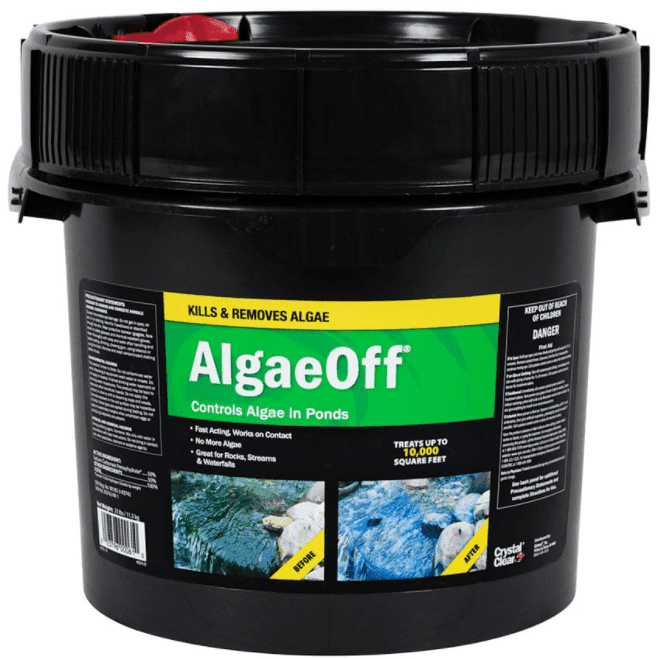
For severe overgrowth, aquatic herbicides may be considered.
- Use only products designed for aquatic environments
- Apply carefully to floating leaves during active growth periods
- Avoid runoff into surrounding water areas
⚠️ Always check local environmental regulations before using chemical treatments, especially in public or regulated water bodies.
6. Long-Term Maintenance Strategies
Once controlled, prevention is key:
- Regular monitoring of plant growth
- Seasonal trimming and thinning
- Keeping root systems contained where possible
- Introducing herbivorous fish (like koi) to help naturally manage growth
Consistent upkeep is the most effective way to prevent re-infestation.
Decorative Options: Using Floating Lily Pads for Pond Enhancement
If your goal is purely aesthetic, artificial floating lily pads are an excellent alternative.
They offer:
- Year-round visual appeal
- Zero risk of overgrowth
- No maintenance or trimming required
- Easy placement and repositioning
At Protopond, many pond owners choose decorative floating lily pads to achieve the look of a natural pond without the maintenance challenges of live plants.
FAQs:
Can water lilies survive in cold climates?
Hardy water lilies can survive in cold climates and overwinter in the pond. Tropical water lilies need to be moved indoors or to deeper water where they won't freeze.
How can I control the spread of water lilies in my pond?
Control the spread by planting them in pots or baskets, regularly pruning excess growth, and thinning out overcrowded plants.
How do I fertilize water lilies to ensure healthy growth?
Use slow-release aquatic plant fertilizers, placing fertilizer tablets in the soil at the base of the plants every 4-6 weeks during the growing season.
What common pests and diseases affect water lilies, and how do I treat them?
Common pests include aphids, spider mites, and snails. Treat with appropriate insecticides or manual removal. Diseases like crown rot and leaf spot can be managed by removing affected leaves and using fungicides.
Can I Add Lilies in a Fish Pond?
Absolutely, you can add lilies to a fish pond, and doing so can offer several benefits for both the pond ecosystem and the fish. Lily pads provide shade which helps regulate water temperature, making the pond environment more comfortable for fish. They also offer hiding spots for fish, protecting them from predators and giving them a place to breed. However, it’s important to consider both the advantages and potential challenges to ensure a harmonious environment.
How do lily pads affect oxygen levels in a pond?
Lily pads can reduce oxygen exchange at the surface if they cover too much of the pond, especially during nighttime when plants consume oxygen.
Can I use floating lily pads in a pond with koi fish?
Yes, artificial or natural lily pads can coexist with koi, but you should ensure there is still enough open water for movement and oxygen circulation.
What is the best time to remove lily pads from a pond?
Late spring to mid-summer is typically the most effective time, when growth is active but before full seasonal spread occurs.
If you're designing a tranquil backyard water feature, pairing water lilies with small pond fountains can elevate the aesthetic appeal while enhancing water movement and oxygenation.
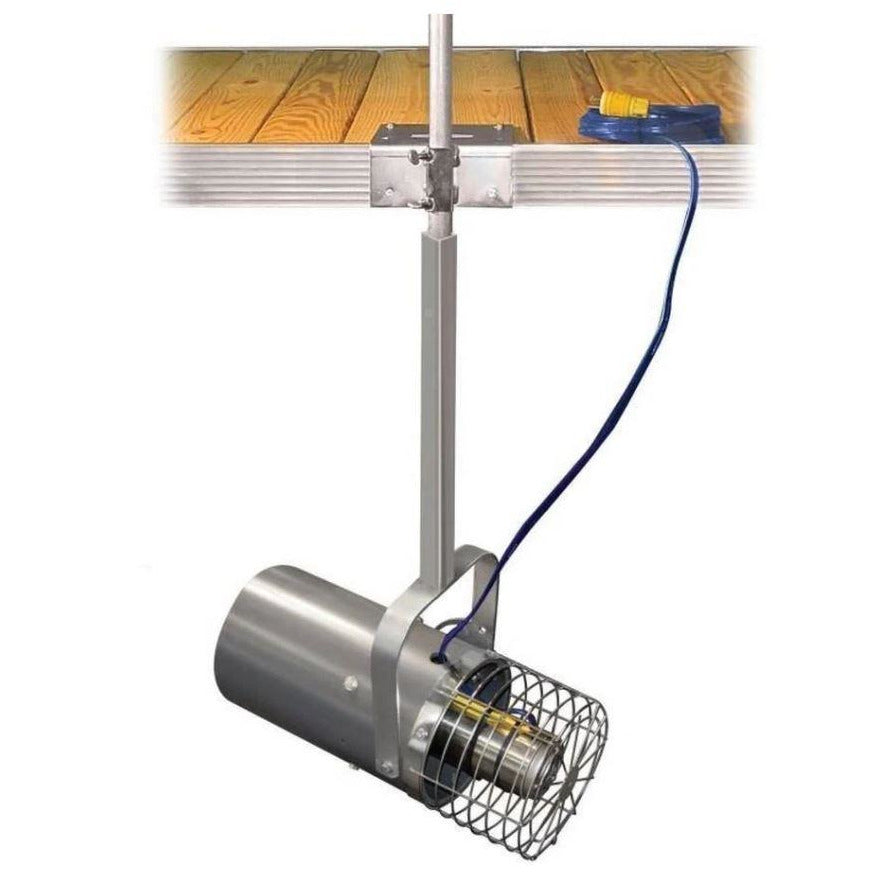
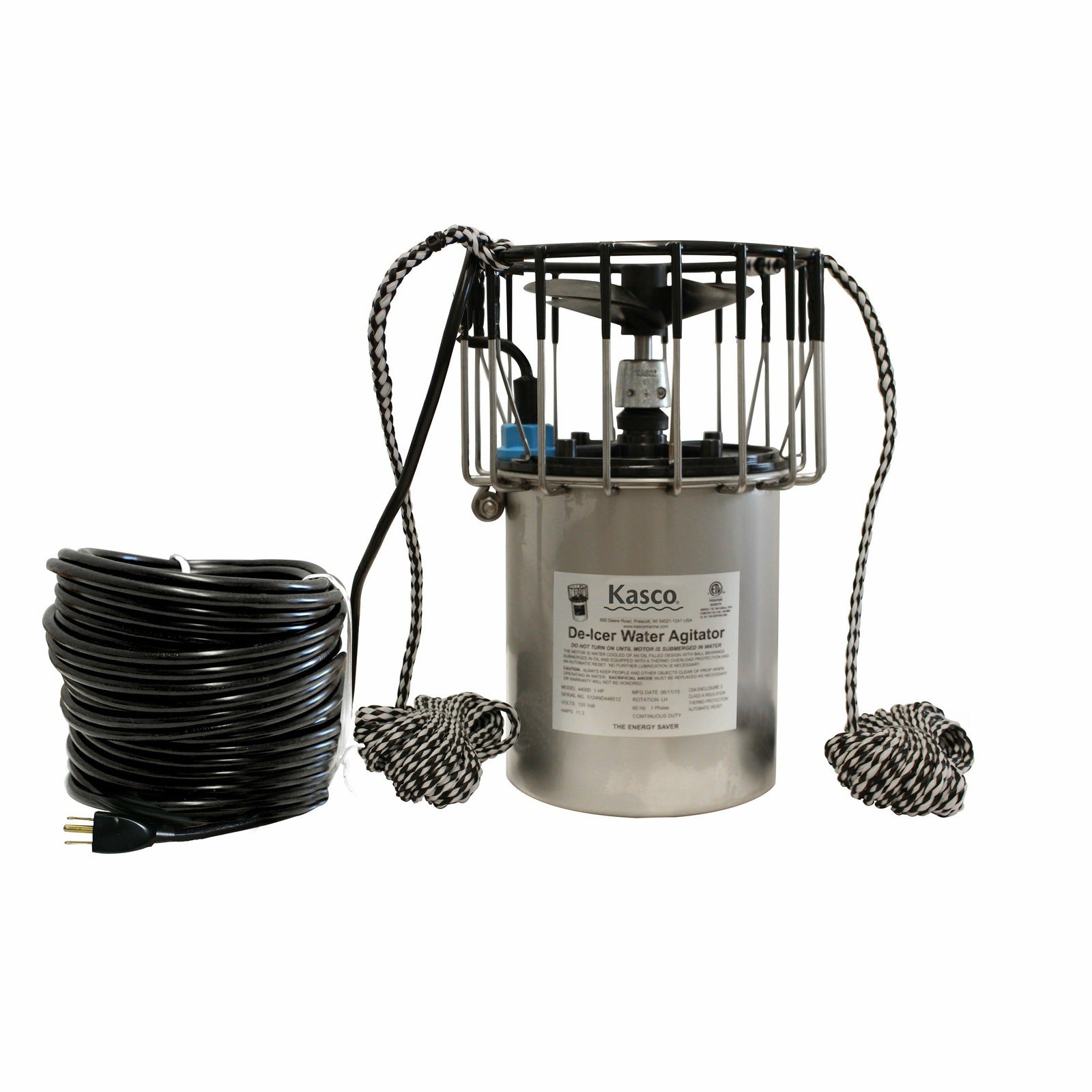
Whether you're looking to enhance water circulation, prevent ice damage, or improve water quality, investing in the right equipment makes all the difference. At Protopond, we offer a full range of high-quality solutions—including pond aerators, Dock Bubblers, Dock Deicers, and Pond best Pumps. For those needing reliable and efficient options, our submersible pond pumps are a top choice for seamless underwater operation.